Track 1 of 3
Neuroscience Bibliometrics (NSB)
A 10-week virtual research internship where students learn R programming, data visualization, and bibliometric analysis to explore global research trends in neuroscience, medicine, and public health.
*At this time, students are able to apply for either the Fall 2026 or Spring 2027 cohort.
About
NSB (Track 1) is part of the ThinkNeuro Science Research Internship Program (SRIP), a fully remote research and certification program for ambitious students typically on the pre-med track or intending to pursue graduate school in the natural sciences. Interns learn to conduct bibliometric analysis on topics in neuroscience, medicine, and public health using tools like R programming and Microsoft Excel. The bibliometric analysis curriculum is developed under the academic guidance of faculty and physicians from Harvard Medical School, Harvard Engineering, Stanford School of Medicine, and USC School of Pharmacy, whose expertise ensures the program's rigor and alignment with undergraduate-level research standards. In addition to regular lectures, these professors and physicians also deliver keynotes and judge symposium posters, providing direct feedback on student research.
Deliverables & Outcomes
Interns complete the program with authorship on:
- A graduate-level research abstract
- A research poster and oral defense
- A technical certificate recognizing their training in bibliometrics and data science
While core topics in Track 1 are taught by faculty and physicians, office hours are led by ThinkNeuro project managers who answer intern questions and guide students through completing all research deliverables. Students enrolled in the Intensive Track also receive guidance on submitting their posters to Ivy League and professional conferences, 1:1 support throughout the internship, and scholarship opportunities at the conclusion of the program.
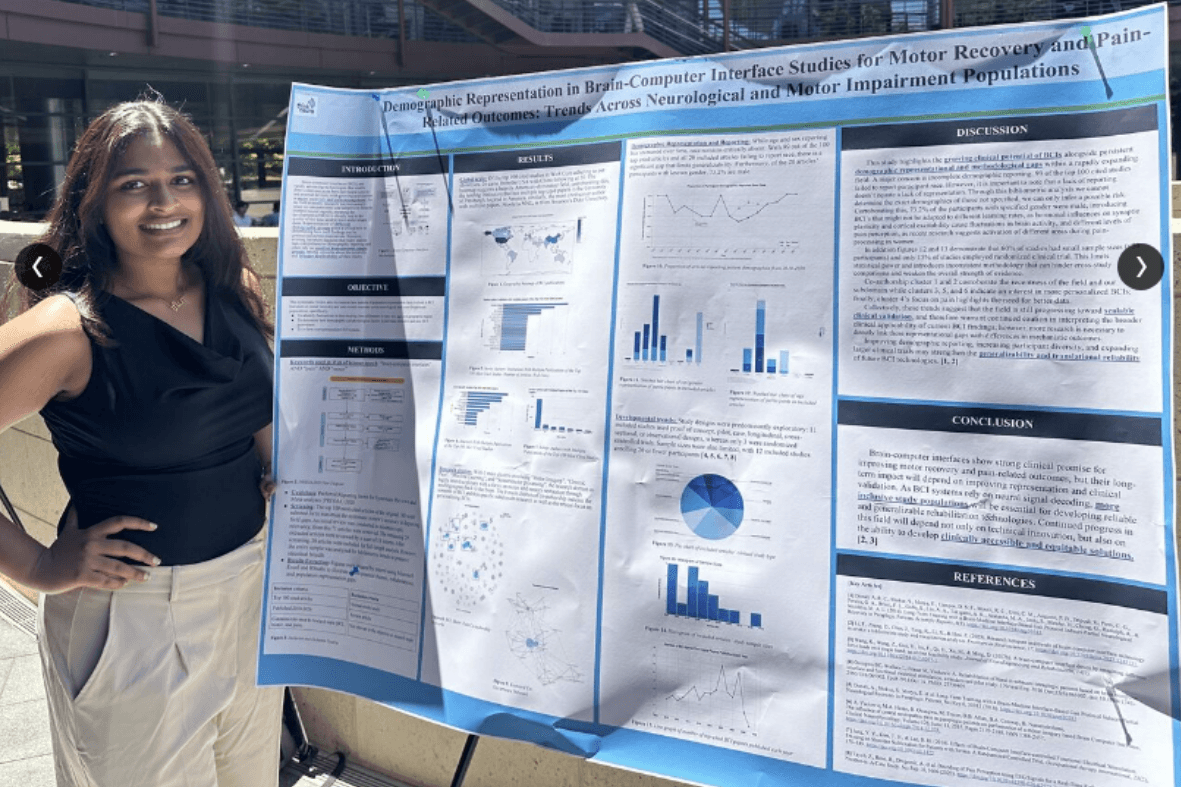

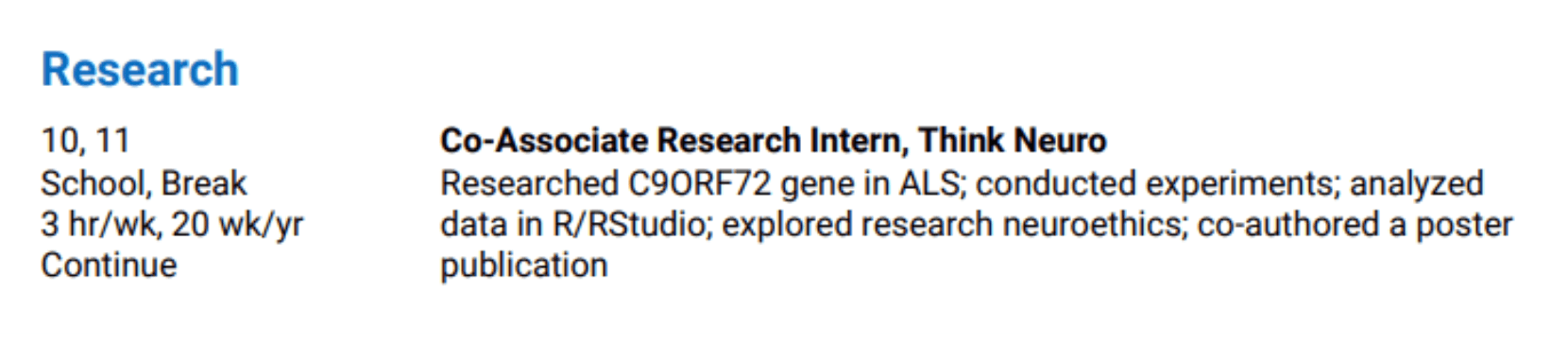
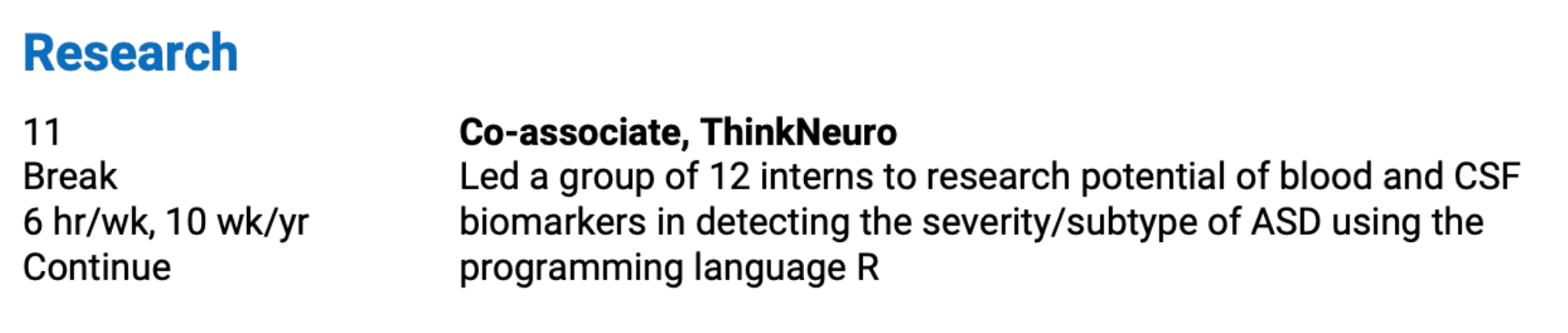

*for more Class of 2030 college results, please refer to our Home page.
Fall 2026 Faculty & Physician Mentors
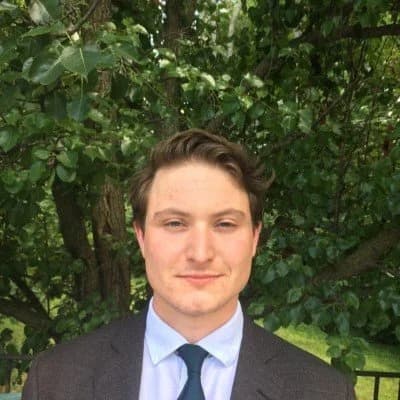
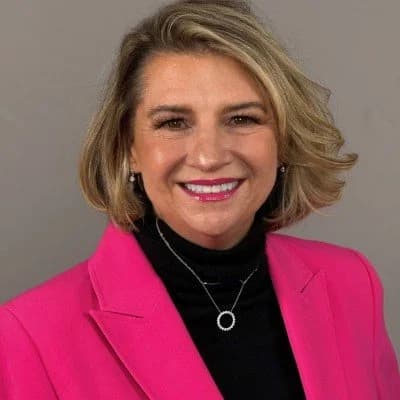
Our lecturers include professors and physicians who guide ThinkNeuro's academic direction and program development. The faculty and physician mentors listed below, from Harvard Medical School, Harvard Engineering, and Stanford School of Medicine, deliver exclusive lectures for students enrolled in the Fall Intensive.

Eligibility & Application Criteria
Application to Track 1 is open to ambitious U.S. high school, undergraduate, and recent college graduates with a passion for neuroscience and typically on the pre-med track. While international applicants are also welcome to apply, please note you may face scheduling conflicts impacting program experience.
Who Should Apply
This program is ideal for students with little to no prior research experience. In fact, 57% of our interns from Fall 2025 indicated that the SRIP was their first exposure to research, making it especially well-suited for:
- High school students who are curious, driven, and eager to explore academic research for the first time
- Undergraduates who want to build a strong foundation before applying to university labs or national research programs
- Post-bacc, master's students, and recent graduates looking to gain practical experience in data analysis, research communication, or public health-related topics
We value curiosity, commitment, and independent learning more than credentials. If you're motivated to learn and excited about neuroscience, this program is built for you.
Application Process
- 1Submit an online application form
- 2Admission offers are sent via email and available on the Application Portal
- 3We encourage Early Decision applications, as each cohort is capped to ensure quality mentorship and small-group support and therefore tend to fill quickly


Inside the Bibliometrics Curriculum
Phase 1: R Programming Foundations
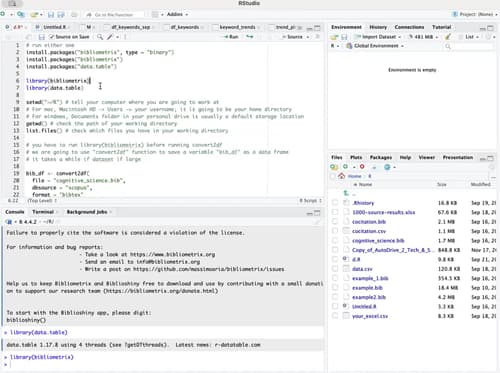
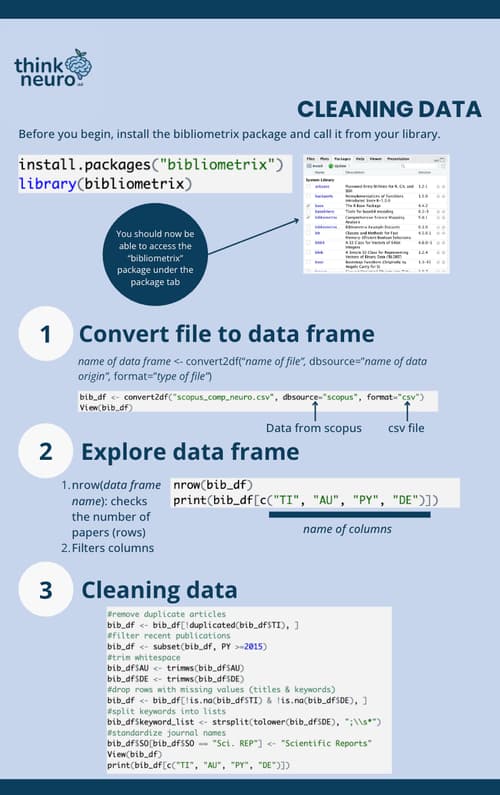
Interns begin by building technical fluency in R, one of the most widely used programming languages in research and data science. Through guided curriculum modules created by software engineers and taught by our technical staff, students learn to:
- Set up their R environment
- Clean and organize data
- Run bibliometric commands
- Create basic visualizations (e.g., word clouds, co-authorship networks)
No prior coding experience is required, as this phase is designed to be beginner-friendly yet rigorous!
Phase 2: Bibliometric Analysis & Data Visualization
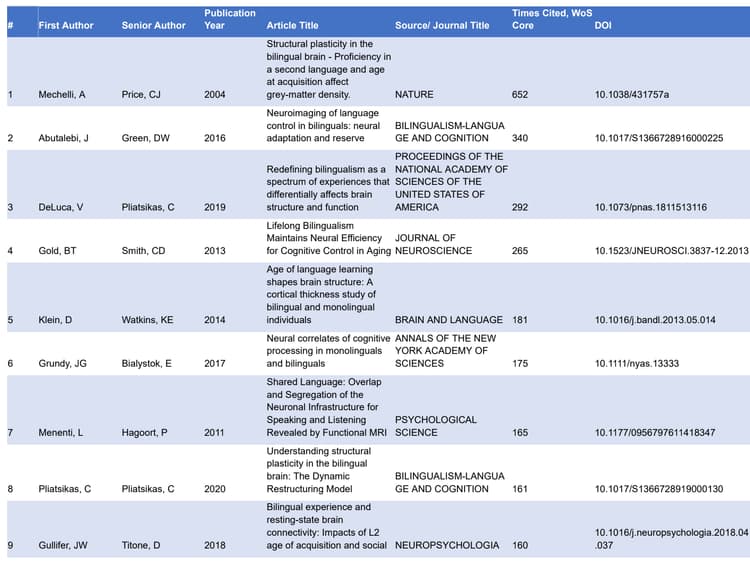
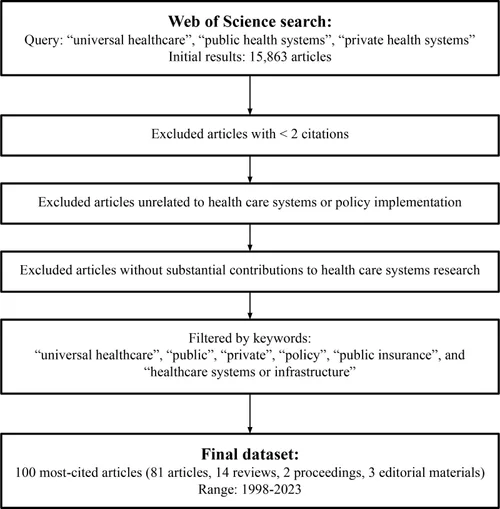
Next, interns move into the core analysis phase, where they extract real citation and authorship data from Web of Science (WoS) exports and organize it using Microsoft Excel and R. They will:
- Perform keyword and citation analysis
- Identify research trends and gaps
- Create publication graphs, topic maps, and collaboration networks
- Learn to interpret and refine bibliometric figures
This phase emphasizes bibliometric computation and modeling, transforming raw citation data into structured datasets and visual analytics.
Phase 3: Research Communication & Presentation
In the final phase, interns translate their analysis into professional research deliverables, including a graduate-level abstract, a research poster formatted for academic conferences, and an oral presentation. Interns receive mentorship on public speaking, design, and how to effectively communicate complex ideas to diverse audiences, preparing them for real-world academic and professional settings.
- Present research poster to Harvard and Stanford faculty and physician judges.
- Learn to submit their posters to external, Ivy League hosted conference venues, where accepted students receive scholarships covering travel and conference fees.
- Translated into stronger college and graduate school applications.
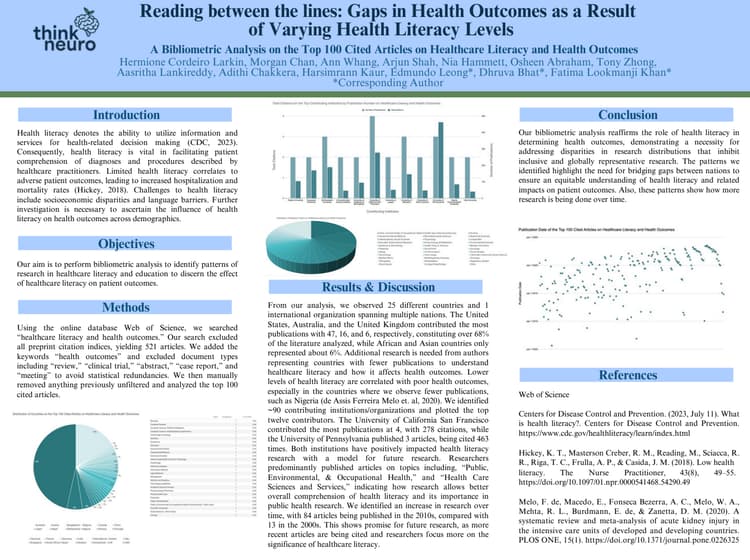
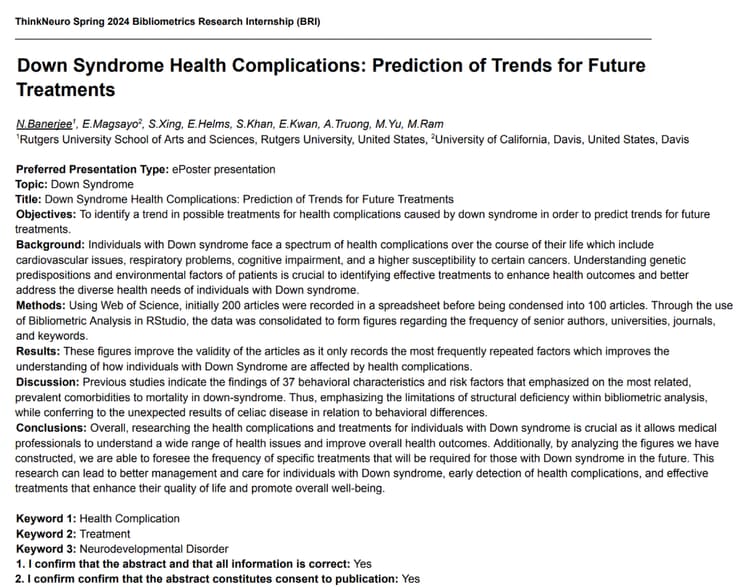
The successes of past high school and undergraduate interns are showcased in the case studies below and in the Student Outcomes of our website, highlighting acceptances to top universities, prestigious research programs, and lab positions at leading institutions.
Tools & Platforms You'll Learn
Throughout the program, interns gain hands-on experience with a range of tools commonly used in academic research, data science, and presentation design:
- R Programming: data cleaning, bibliometric analysis, and visualization
- Web of Science (WoS): to export citation and authorship data
- Microsoft Excel: to organize, structure, and sort datasets
- Zotero: to manage references and citation metadata
- Figma & Canva: to design clear, professional posters and presentations
These tools are introduced gradually throughout each phase of the curriculum, with beginner-friendly guidance and support from mentors through our custom-built modules, dedicated Slack channels, and live bi-weekly office hours.



Tuition, Merit Scholarships, and Financial Aid
Tuition varies by program cohort, with separate pricing for the Regular and Intensive. We offer two forms of support: merit-based scholarships and need-based financial aid.
Merit aid is available exclusively to students admitted to the Fall Intensive and is offered only during the Early Decision round. All Early Decision applicants are automatically considered for merit scholarships based off academic achievement and essay responses.
In addition, we provide need-based financial aid covering 100% of tuition for high school students who received an SAT/ACT fee waiver, undergraduates who receive the Federal Pell Grant, and students from families with household incomes typically below $60,000 USD per year, adjusted for family size. To be considered for need-based financial aid, students must demonstrate a strong academic record and submit a financial aid request with their application.
Fall Regular
Self-paced option- 6 hours of bibliometrics lectures from ThinkNeuro project managers
- Fully asynchronous R Programming Academy
- Group office hours with ThinkNeuro project managers (2 hours/week)
- Final Symposium with ThinkNeuro PM judges
- SRIP Certificate of Completion
- No networking sessions
- No alumni panels
Fall Intensive
Recommended · Faculty/Physician Mentorship Track≈$75 per Harvard/Stanford lecture + mentorship
- 9 undergraduate-level lectures from Harvard and Stanford Medicine faculty & physicians
- Live + asynchronous R Programming Academy with 1:1 support offered by technical staff
- Extended office hours with ThinkNeuro Project Managers (5 hours/week)
- Research Symposium with Harvard/USC keynote speakers and Harvard/Stanford judges
- SRIP Certificate of Completion signed by Harvard/Stanford faculty and physician lecturers
- 3 networking sessions with Harvard and Stanford faculty & physicians
- 3 alumni panels featuring Ivy League+ admits, conference presenters, and scholarship recipients
*A tuition increase will take effect next year beginning Spring 2027.
Please note that any/all ThinkNeuro tuition payments made are non-refundable, except in extreme circumstances such as family medical emergency where documentation can be provided to ThinkNeuro (e.g. an official doctor's note from a non-relative).
Intern Outcomes
Every student's journey into research looks a little different. Hear directly from past interns about how the SRIP shaped their academic goals, built their confidence, and opened new doors, whether they were just starting out in high school or diving deeper as undergraduates. These stories offer a glimpse into what's possible through the program.
- Year of Involvement:
- High School Junior
- Total Involvement:
- 2 years
- After ThinkNeuro:
- Johns Hopkins University, Biomedical Engineering
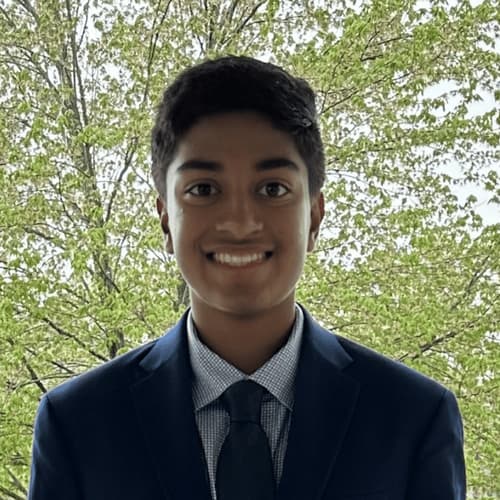
Shishir joined ThinkNeuro as a high school student with no prior experience in academic research. Through his internship, he explored key topics in medicine and public health while gaining valuable mentorship and communication skills. Shishir is now attending Johns Hopkins University, where he continues to build on the foundation he developed during his time at ThinkNeuro.

- Year of Involvement:
- High School Junior
- Total Involvement:
- 1 semester
- After ThinkNeuro:
- MIT MITES Program & T20 university acceptance
Clarissa joined ThinkNeuro as a high school student with no prior research experience. After completing the Bibliometrics Research Internship, she was accepted to the MITES Semester Program at MIT which is one of the nation's most prestigious high school research programs with an acceptance rate below 2%. She also went on to secure a research position at Brown University, continuing to build on the foundation she developed through ThinkNeuro.
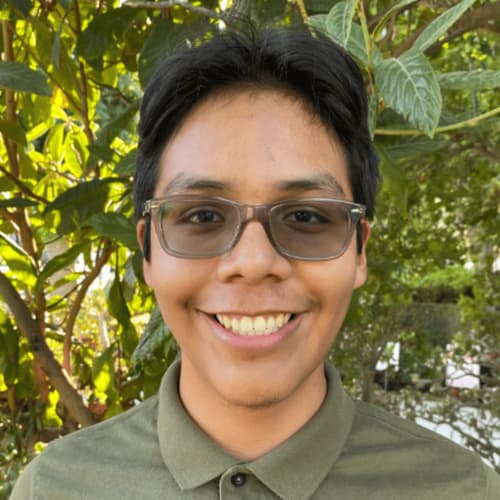

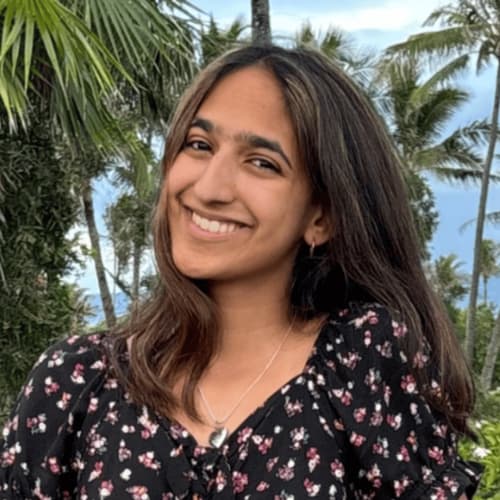
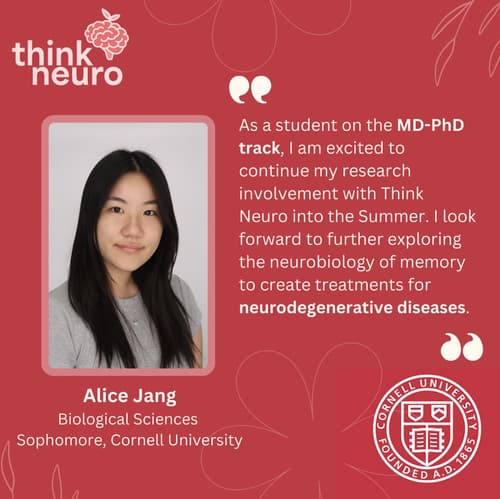
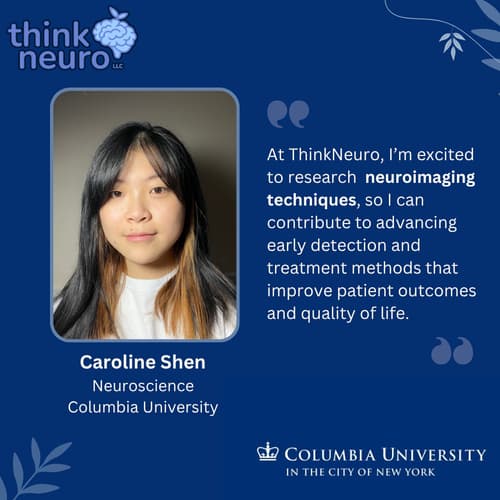
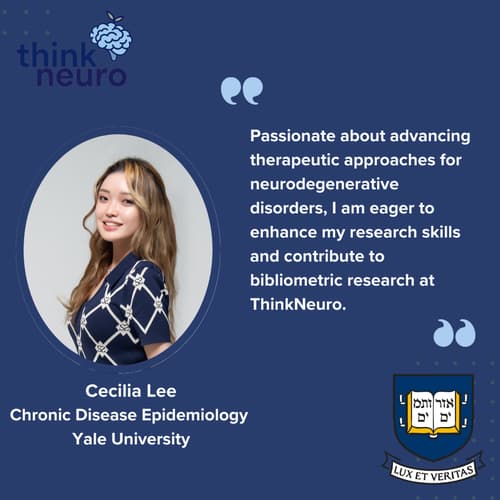
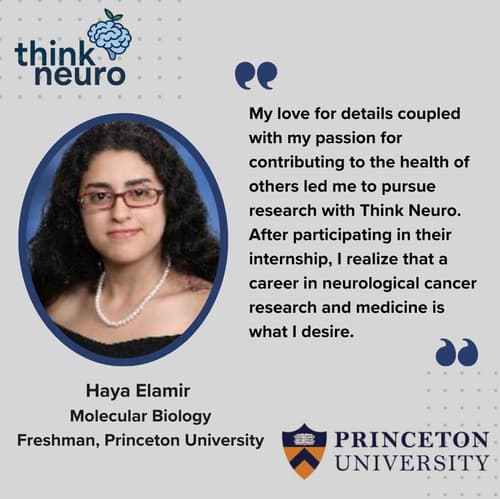
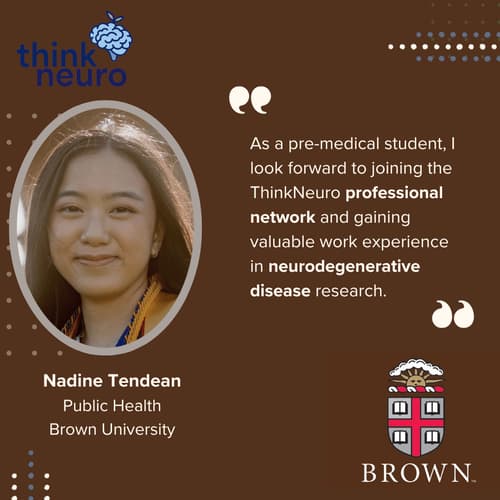
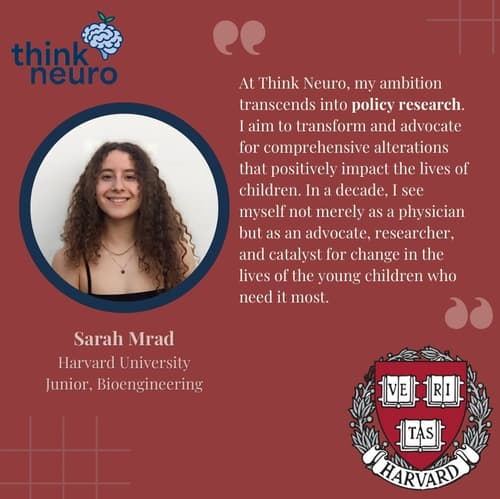
Four Undergraduate Voices, One Journey: see how ThinkNeuro's mission brings together students from diverse backgrounds and academic paths. In this group testimonial, undergraduate interns from neuroscience to computer science backgrounds, and from Carnegie Mellon University to UC Irvine, highlight the diversity, collaboration, and impact that define the ThinkNeuro experience.
Hanna, an incoming freshman at UC Irvine, was invited to join a brain-computer interface lab on campus after exploring the topic through ThinkNeuro. Abraham, an undergraduate at Cal Poly Pomona, will be starting a new computer science research position through his university's STAR program this fall after his first research exposure through the SRIP. Aamiya, a student at UMass Amherst, is applying her new R programming skills in a research role at her university. Syed, an undergraduate at Carnegie Mellon University, credits ThinkNeuro with giving him the confidence and foundation to pursue future research opportunities.
Watch their stories here.

- Year of Involvement:
- College Freshman
- Total Involvement:
- 1 year
- After ThinkNeuro:
- UPenn, on-campus neuroscience research lab
Sonia joined the SRIP program in the spring of her freshman year at UPenn. Now a rising sophomore, she's returning for a second round, but this time, she's documenting her journey. Sonia's 6-part video series walks through each phase of the SRIP experience, so future interns can get a real sense of how the program is structured.
Frequently Asked Questions
How much time should I expect to commit each week?
Intensive interns dedicate about 5-10 hours per week across curriculum modules, live office hours, and independent research work.
Do I need any prior experience with coding or research?
No. In fact, 57% of our Fall 2025 interns said the SRIP was their first exposure to research. Phase 1 builds R programming from the ground up, so beginners are fully supported.
Is the program fully remote?
Yes. The SRIP is fully remote, so you can participate from anywhere in the U.S. or abroad. However, international students may face scheduling conflicts due to time zone differences.
Will I receive a certificate at the end?
Yes. Interns who complete the program earn a technical certificate recognizing their training in bibliometrics and data science.
Are there live meetings? What if I can't attend?
We hold live bi-weekly office hours led by ThinkNeuro project managers, supported by recordings and dedicated Slack channels so you can stay on track even if you miss a session. Lecture recordings from faculty and physicians are sent out at their discretion, but the presentation slide deck for each lecture is always provided.
What kind of support will I receive during the research internship program?
You'll get support through custom-built curriculum modules, dedicated Slack channels, and live bi-weekly office hours with project managers who guide you through every deliverable. Intensive students also receive 1:1 office hour support from technical staff during R programming if requested.
Can I use my project for a science fair or external competition?
Yes. Many interns submit their posters to local and national conferences and competitions, and we encourage you to build on your work. Several of our students were admitted to conference venues at Stanford and across the Ivy League. Please refer to our home page for examples.
What is the SRIP tuition?
Fall tuition is $295 for the Regular cohort and $895 for the Intensive cohort. See the Tuition section above for current plans. Note that a 33% tuition increase takes effect starting 2027, so we encourage you to apply before the increase if you're interested.
Is financial aid available?
Yes. We offer need-based financial aid covering 100% of tuition for eligible students, plus merit scholarships for Early Decision applicants to the Fall Intensive.
What is the acceptance rate?
Each cohort is capped to ensure quality mentorship and small-group support, so admission is competitive and cohorts tend to fill quickly, so we encourage Early Decision. The Summer 2026 acceptance rate for the Intensive cohort was 23%; rates for the Regular cohort have not been released.
Can international students and recent graduates apply?
Yes. While U.S. students receive priority, international applicants, post-baccs, and recent graduates are all welcome to apply.
Begin your research journey
Most successful applicants spend a week to complete their application.
Fall 2026 early deadline: Friday, August 14th, 2026 · 11:59 PM PST.