Track 2 of 3
Computer & Software Engineering
A 10-week virtual engineering research internship program for ambitious high school, undergraduate, and post-bacc students. Learn Git commands, build a GitHub portfolio, create a professional website indexed on Google, and earn a technical certificate from industry software engineers from Google, OpenAI, and Duolingo.
*At this time, students are able to apply for either the Fall 2026 or Spring 2027 cohort.
About
CSE (Track 2) is part of the ThinkNeuro Science Research Internship Program, a fully remote technical practicum for students interested in studying computer science or engineering and preparing for future software engineering internships. Through guided workshops and project-based assignments, interns learn how modern software teams plan, build, review, and present technical work. The curriculum features lectures from engineers at OpenAI, Google, and Duolingo and introduces professional workflows including Git, branching, pull requests, GitHub Issues, and collaborative version control. Students also receive guidance as they build a public portfolio, document their projects, and communicate their technical work effectively.
Deliverables & Outcomes
Interns complete the program with:
- A hosted personal portfolio website indexed by Google
- A polished GitHub profile and project README
- A technical certificate recognizing training with Git and GitHub workflows
Fall 2026 Software Engineer Mentors
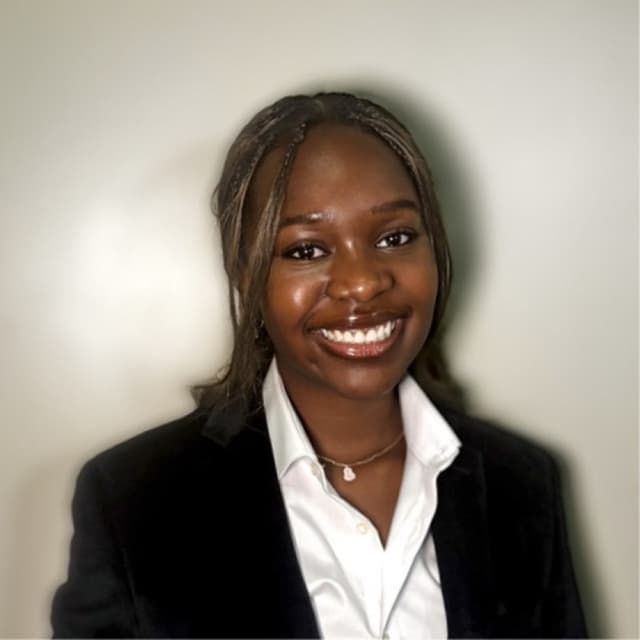
Our lecturers include software engineers and members of AI technical staff who guide ThinkNeuro's academic direction and program development. The mentors listed below, from Google, OpenAI, and Duolingo, deliver exclusive lectures for students enrolled in the Fall Intensive.



Eligibility & Application Criteria
Application to Track 2 is open to ambitious U.S. high school, undergraduate, and recent college graduates with a passion for computer science and typically aiming for a software engineering role or graduate school in a related technical field. While international applicants are also welcome to apply, please note you may face scheduling conflicts impacting program experience.
Who Should Apply
This program is ideal for students with little to no prior research experience. In fact, 57% of our interns from Fall 2025 indicated that the SRIP was their first exposure to research, making it especially well-suited for:
- High school students who are curious, driven, and eager to explore academic research and software engineering for the first time
- Undergraduates who want to build a strong foundation before applying to an industry software engineering position, on-campus CS clubs, or research hackathons
- Post-bacc, master's students, and recent graduates looking to gain practical experience in data analysis, research communication, or computer science related topics
We value curiosity, commitment, and independent learning more than credentials. If you're motivated to learn and excited about neuroscience, this program is built for you.
Application Process
- 1Submit an online application form
- 2Admission offers are sent via email and available on the Application Portal
- 3We encourage Early Decision applications, as each cohort is capped to ensure quality mentorship and small-group support and therefore tend to fill quickly


Inside the CSE Curriculum
Weeks 1-2
CS Research & Python Foundations
Learn how computer science research transforms questions into testable projects, then build the Python foundation needed to work with real-world data.
- Explore what qualifies as computer science research
- Develop research questions using public datasets
- Learn Python fundamentals: variables, functions, loops, and libraries
- Set up your research environment using Google Colab and GitHub
Tuition, Merit Scholarships, and Financial Aid
Tuition varies by program cohort, with separate pricing for the Regular and Intensive. We offer two forms of support: merit-based scholarships and need-based financial aid.
Merit aid is available exclusively to students admitted to the Fall Intensive and is offered only during the Early Decision round. All Early Decision applicants are automatically considered for merit scholarships based off academic achievement and essay responses.
In addition, we provide need-based financial aid covering 100% of tuition for high school students who received an SAT/ACT fee waiver, undergraduates who receive the Federal Pell Grant, and students from families with household incomes typically below $60,000 USD per year, adjusted for family size. To be considered for need-based financial aid, students must demonstrate a strong academic record and submit a financial aid request with their application.
Fall Regular
Self-paced option- 6 hours of computer science research lectures from ThinkNeuro project managers
- Live + asynchronous Computer Science Research Academy
- Complete a guided dataset-based research project using a data science model
- Group office hours with ThinkNeuro project managers (2 hours/week)
- Final Symposium with ThinkNeuro PM judges
- No personal website development mentorship
- CSE Certificate of Completion
Fall Intensive
Recommended · Industry Engineering Mentorship Track≈$90 per week of instruction
- 6 undergraduate-level research and networking sessions with OpenAI MTS and Google/Duolingo software engineers
- Fully live Computer Science Research Academy with 1:1 support during research poster development
- Complete a guided dataset research project using a data science or machine learning model (ML recommended)
- Extended office hours with ThinkNeuro technical staff (5 hours/week)
- Research Symposium judged by OpenAI, Google, and Duolingo engineering mentors
- Personalized mentorship to build and launch a personal website indexed on Google
- CSE Certificate of Completion signed by OpenAI, Google, and Duolingo software engineer mentors
*A tuition increase will take effect next year beginning Spring 2027.
Please note that any/all ThinkNeuro tuition payments made are non-refundable, except in extreme circumstances such as family medical emergency where documentation can be provided to ThinkNeuro (e.g. an official doctor's note from a non-relative).
CSE Alumni Testimonials
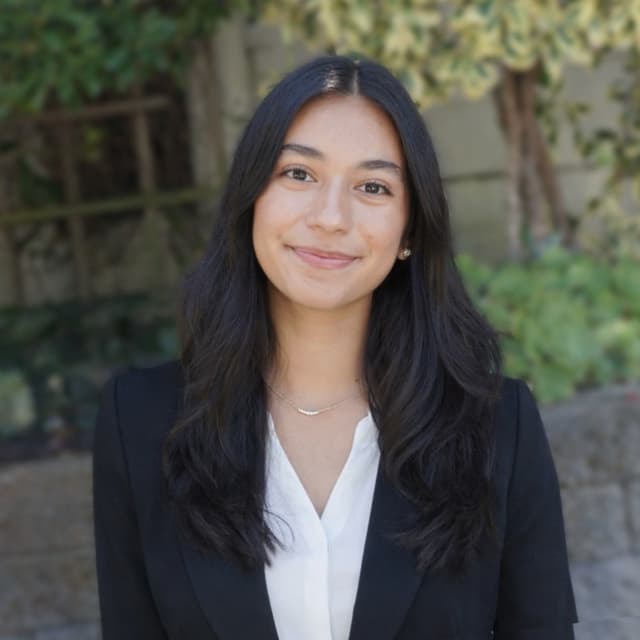

At ThinkNeuro,
I strengthened my professional profile by building a personal website and collaborating with other interns on a software project.
After ThinkNeuro,
I plan to pursue internships to further my professional goals. I aim to stay on the software engineering path while continuing to challenge myself and expand my experience.
Because of ThinkNeuro,
I feel more confident in my ability to present myself as a qualified candidate for internships and job opportunities. I've grown as an engineer and feel better prepared to excel in my career.
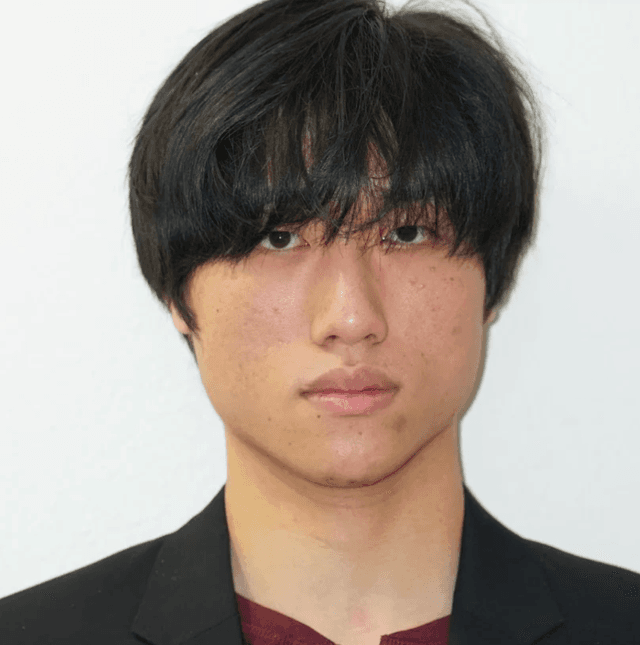

At ThinkNeuro,
I strengthened my professional portfolio and software engineering skills by collaborating with my team to develop an ASL learning tool using computer vision.
After ThinkNeuro,
I hope to continue exploring personal projects as well as team-based environments to work on topics at the intersection of neuroscience, psychology and artificial intelligence.
Because of ThinkNeuro,
I have gained trust in my ability to work on projects with real software engineering experience. Now, I feel confident that I can begin developing real-world solutions to the issues we face in our world today.


At ThinkNeuro,
I focused on learning by actually shipping, starting with GitHub and version control, then building a functional web app that integrated external APIs, including OpenAI and Google Calendar.
After ThinkNeuro,
I plan to double down on building, especially at the intersection of AI and product, to develop more complex, original applications that go beyond demos and actually solve real problems.
Because of ThinkNeuro,
I shifted from just consuming information to actually creating with it. I now have the confidence to take an idea, build it into a real product, and put it out for others to use.


At ThinkNeuro,
I built my professional portfolio through creating my own website to highlight my strengths and working with GitHub to develop a software application.
After ThinkNeuro,
I plan to keep thinking critically and creating boldly, especially in cybersecurity and data science, to build tools that will solve issues real professionals are facing.
Because of ThinkNeuro,
I transitioned from sitting through CS lectures to applying concepts with my hands. Now, I realize I can take any idea and use my coding skills to develop life-changing products.
Begin your research journey
Most successful applicants spend a week to complete their application.
Fall 2026 early deadline: Friday, August 14th, 2026 · 11:59 PM PST.